
01 85% of cases
Tongue Coating & Anaerobic Bacteria
Anaerobic bacteria thrive in the low-oxygen grooves on the back of the tongue. They break down protein residues into volatile sulfur compounds — the molecules that produce the smell.
Most halitosis cases trace back to specific bacteria — not poor hygiene. We measure, identify, and treat the source so the result actually lasts.
Free 15-minute phone consult · Mon · Tue · Thu 7am – 4pm · Wed 10am – 7pm


At a glance
Halitosis is chronic bad breath caused by volatile sulfur compounds (VSCs) released by anaerobic bacteria — most often on the back of the tongue, under the gumline, and in tonsil crypts. It affects roughly 1 in 4 adults.
Understanding Halitosis
Halitosis is the medical term for chronic bad breath that does not resolve with brushing, flossing, or mouthwash. The smell is produced by volatile sulfur compounds (VSCs) — gases released by anaerobic bacteria as they break down proteins in the mouth.
Roughly 85% of cases originate in the mouth: posterior tongue coating, periodontal pockets, and bacterial reservoirs around dental work. Sinus drainage, tonsil stones, and a small fraction of GI conditions account for the rest. More on tongue bacteria.
Generic mouthwash masks VSCs for 30-60 minutes; it does not change the bacterial environment producing them. That is why mints and rinses stop working over time.
 Photo: Harold Hizon / Unsplash
 Most patients arrive thinking it's a hygiene problem. The exam usually shows it isn't.
Why It Happens
Bad breath has four primary sources: tongue coating (~85% of cases), gum disease (~8%), sinus drainage (~5%), and GI/systemic issues (~2%). The right treatment depends on which is dominant.
Anaerobic bacteria thrive in the low-oxygen grooves on the back of the tongue. They break down protein residues into volatile sulfur compounds — the molecules that produce the smell.
Inflamed gums and pockets deeper than 3-4 mm trap the same bacteria. Treating periodontal disease is one of the most reliable ways to eliminate persistent halitosis.
Saliva neutralizes acids and oxygenates the mouth. Reduced saliva — from medications, mouth breathing, or dehydration — lets odor-causing bacteria multiply. See dry mouth.
Garlic, onions, coffee, alcohol, and tobacco temporarily worsen breath; chronic use of any of these maintains an environment friendly to anaerobic bacteria.
Mucus draining from infected sinuses coats the tongue and pharynx, feeding bacteria. Sinus-related halitosis needs ENT-coordinated care.
Failing fillings, ill-fitting dentures, retainers, and crowns harbor bacteria below the surface. Replacing or recontouring affected work is sometimes the missing piece.
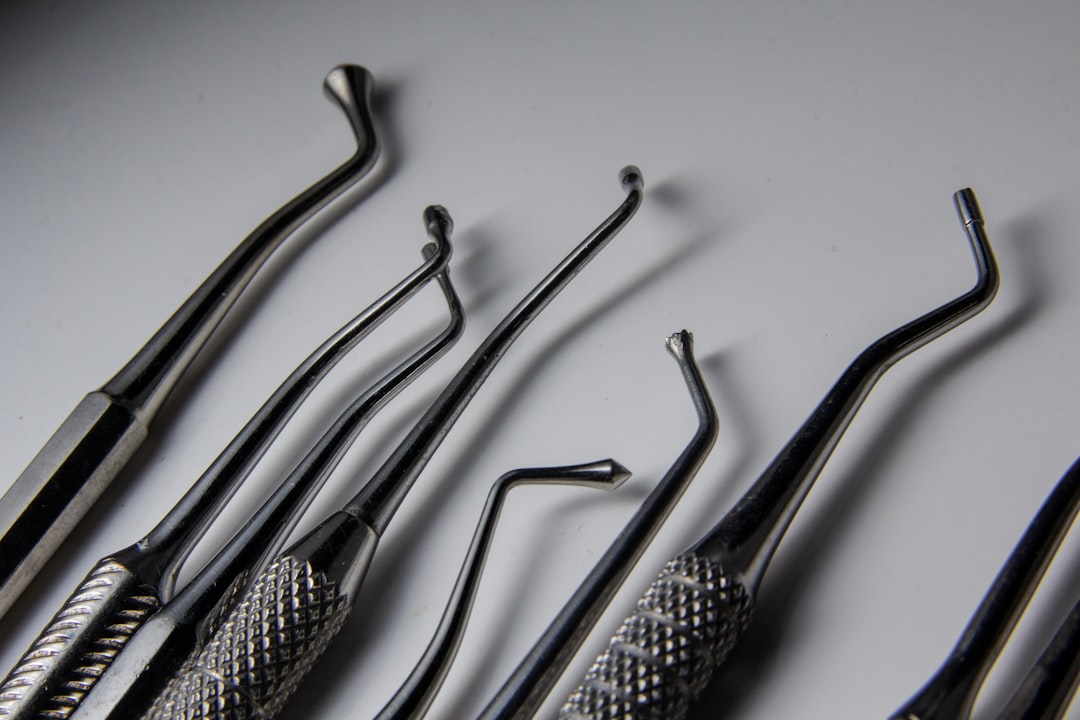 Photo: Ozkan Guner / Unsplash
 Halimeter, periodontal probe, tongue scraper, swab — every visit produces measurable data.
Your Visit
Symptom timeline, medications, hygiene routine, prior treatments, and ENT history. We want every clue.
Direct measurement of volatile sulfur compounds in your breath — the objective baseline we treat against.
Tongue coating assessment, periodontal probing, and bacterial swab if indicated. We identify the dominant source.
Written plan, home-care protocol, product recommendations, and a follow-up schedule with VSC re-test.
When indicated, we begin tongue debridement and targeted cleaning the same day so you leave with measurable improvement.
Most patients have been told for years that they just need to brush more. They don't. They need someone to measure what's actually in their breath and find the bacteria producing it.
Patient stories
“Dr. Teah took over Dr. Dailley's practice. She is an excellent dentist — caring, considerate, and very professional. Highly recommend.”
— Diana A., Berkeley
“Spot on in solving my halitosis after consultation. Very informative and the treatment was a success. A life-changing moment.”
— Victor V.