

Halitosis treatment is not a single visit. It is a measured process — find the bacteria, treat them, re-measure, adjust. That's why our patients stay better.
We measure volatile sulfur compounds, identify the bacteria producing them, and treat the source — then re-measure to confirm results.
Free 15-minute phone consult · Mon · Tue · Thu 7am – 4pm · Wed 10am – 7pm
At a glance
The BreathCure halitosis program is a measured, four-program approach: diagnose the bacterial source with halimeter VSC testing, treat what's actually driving the odor, and re-measure at 6 weeks to confirm the protocol is working.
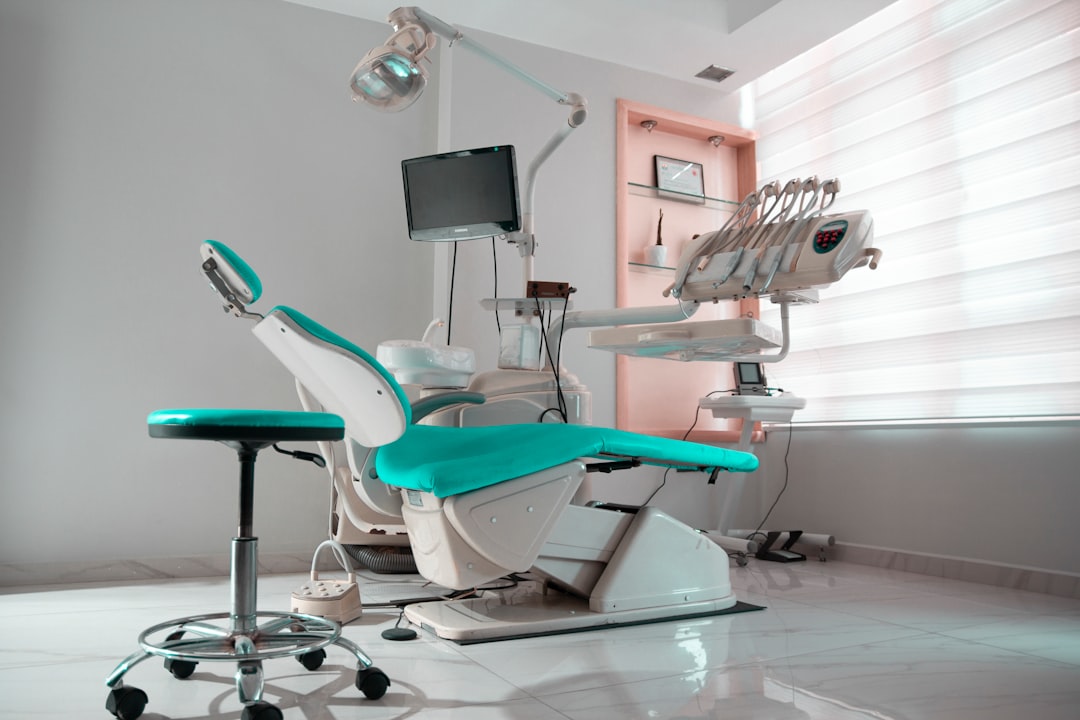 Photo: Ozkan Guner / Unsplash
 Diagnostics-first protocol — every visit produces measurable data we treat against.
Four Programs
Every patient starts with the diagnostic program. Based on what we find, treatment continues into one or more of the targeted programs below.
Program 01
The starting point for every patient. Halimeter VSC measurement, tongue and periodontal exam, sinus history, and a written treatment plan tailored to the dominant source of odor.
Learn moreProgram 02
When subgingival bacteria are the primary driver. Combines scaling and root planing with targeted antimicrobial rinses and 3-month maintenance intervals.
Learn moreProgram 03
When reduced saliva is feeding the bacteria. Medication review, salivary-flow restoration, fluoride protocols, and saliva-substitute therapy.
Learn moreProgram 04
When post-nasal drainage is the source. Oral protocol combined with ENT-coordinated sinus and allergy management for lasting results.
Learn more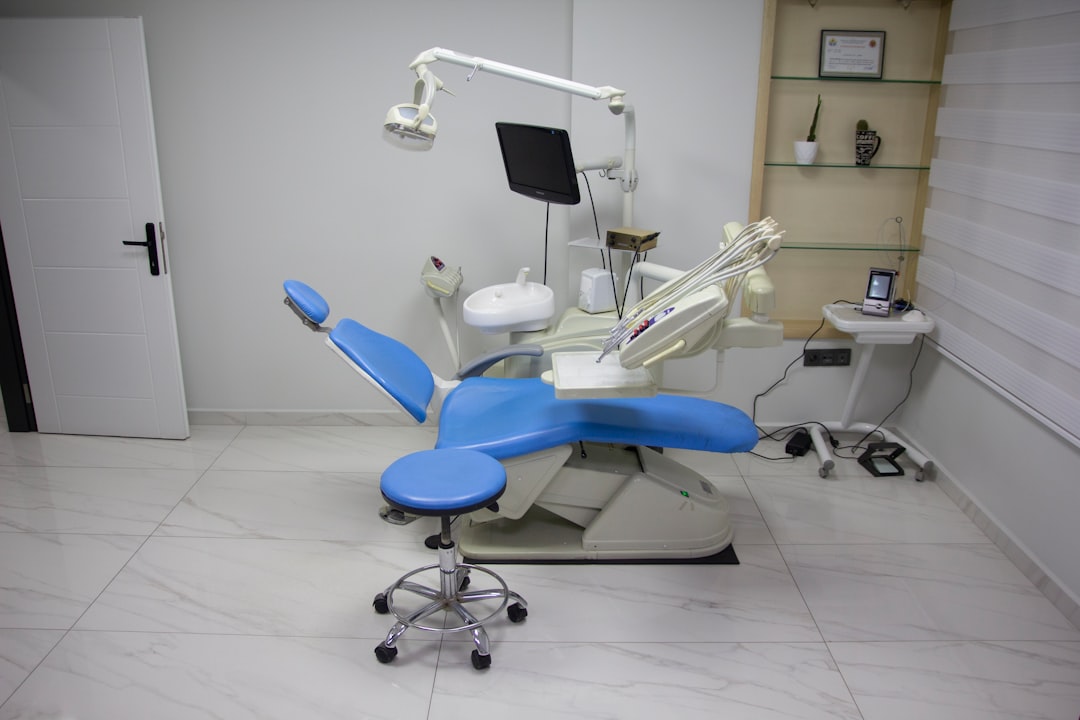 Photo: Ozkan Guner / Unsplash
 The first visit is 60 minutes. You leave with a halimeter reading, a written plan, and a follow-up date.
Your Journey
60-minute halitosis exam: halimeter VSC reading, tongue and periodontal assessment, sinus history. You leave with a written plan.
Tongue debridement, periodontal therapy, or coordinated ENT care depending on the primary source identified.
Daily home-care protocol: technique, products, and routines targeting your specific bacterial profile.
Follow-up halimeter reading at 6 weeks. Objective measurement of progress — and adjustment of the protocol if numbers have not dropped.
Maintenance interval (typically every 3-4 months) until breath stays in normal range without active treatment.
Halitosis treatment is not a single visit. It is a measured process — find the bacteria, treat them, re-measure, adjust. That's why our patients stay better.
Patient stories
“Dr. Dailley was spot on in solving my halitosis problem after consultation. Very informative — a life-changing moment.”
— Victor V.
“Dr. Teah took over the practice and is excellent — caring, considerate, and very professional.”
— Diana A., Berkeley