
01 Most common
Medications
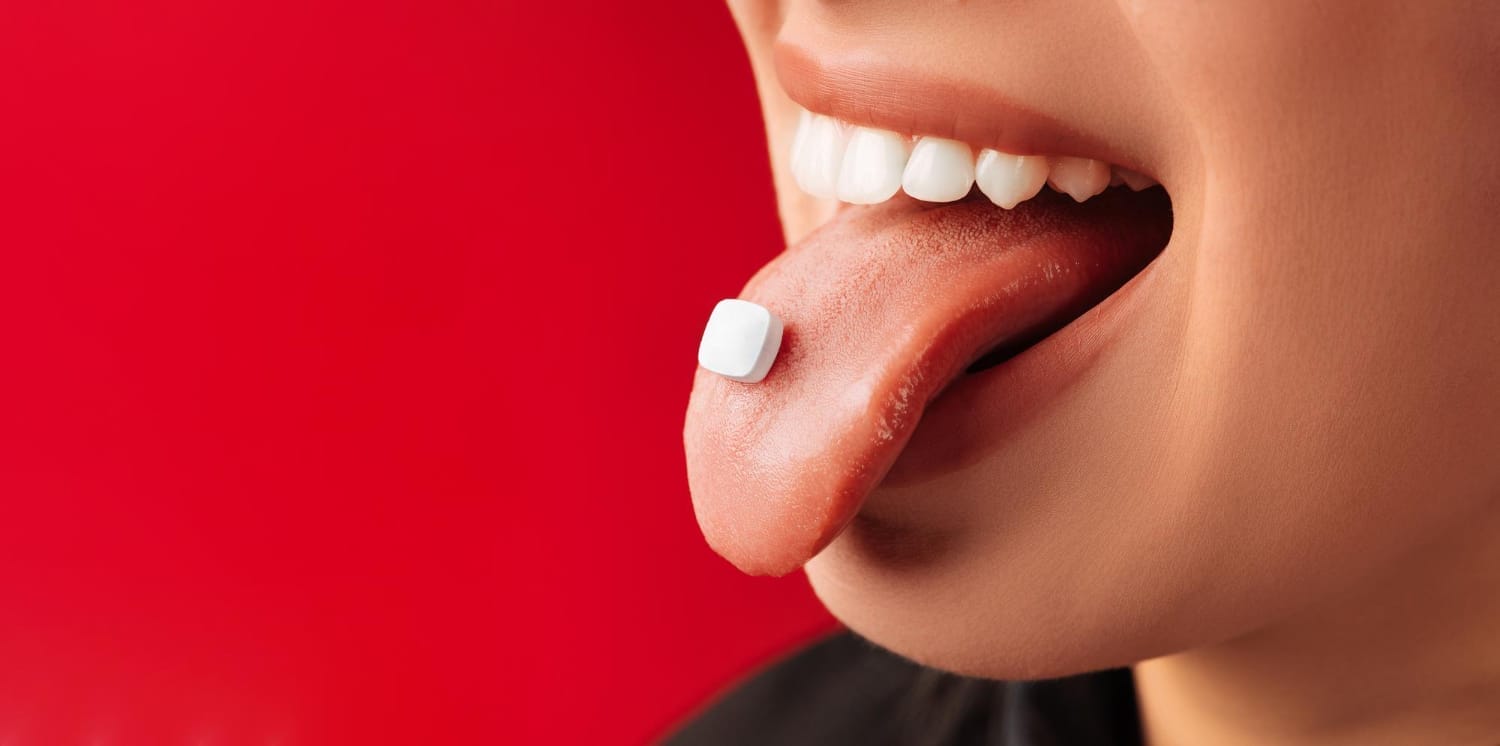
More than 400 prescription and over-the-counter drugs reduce saliva flow — antihistamines, antidepressants, blood-pressure medications, decongestants, and muscle relaxants are the leading culprits.
Dry mouth feels minor — until cavities, bad breath, and difficulty eating start. We identify the cause and treat it before damage compounds.
Free 15-minute phone consult · Mon · Tue · Thu 7am – 4pm · Wed 10am – 7pm

At a glance
Xerostomia is the medical term for chronic dry mouth — reduced saliva production that leads to discomfort, increased tooth decay, gum issues, and bad breath. Up to 20% of adults experience it, especially those on multiple medications.
Understanding Xerostomia
Xerostomia is reduced saliva flow that leaves the mouth feeling dry, sticky, or burning. Saliva does more than keep you comfortable — it neutralizes acid, washes away food, remineralizes enamel, and oxygenates the mouth so odor-causing bacteria cannot multiply.
When saliva drops, three things happen quickly: cavity risk rises sharply, gum inflammation increases, and bad breath becomes harder to control. The condition is almost always treatable — but the cause needs to be identified before symptoms get masked.
Common drivers include prescription medications (antihistamines, antidepressants, blood-pressure drugs), Sjögren's syndrome and other autoimmune conditions, head and neck radiation, and chronic mouth breathing.
 Photo: Adolfo Félix / Unsplash
 Steady hydration is the cheapest intervention — and the one most patients underuse.
Why It Happens
Xerostomia almost always traces to one of six categories. Identifying the dominant driver — usually with a medication review and salivary-flow test — is the foundation of treatment.
More than 400 prescription and over-the-counter drugs reduce saliva flow — antihistamines, antidepressants, blood-pressure medications, decongestants, and muscle relaxants are the leading culprits.
Diabetes, Sjögren's syndrome, stroke, thyroid disorders, and salivary-gland disease can all cause chronic xerostomia. Coordinated care with your physician is often part of the treatment plan.
Radiation therapy to the head or neck damages salivary glands directly. Chemotherapy can temporarily alter saliva volume and composition. Targeted protocols protect remaining function.
Dehydration, smoking, alcohol, excessive caffeine, and habitual mouth breathing all suppress salivary flow over time. Reversible — but often overlooked.
Saliva production declines naturally with age, particularly when multiple medications stack their drying effects. The fix is often medication review, not aging.
Bay Area allergy seasons drive antihistamine use. Indoor heating, dry climate, and CPAP use without humidification all contribute. Small environmental changes often deliver disproportionate relief.
 Photo: Raj Bhagat / Unsplash
 Saliva neutralizes acid, oxygenates the mouth, and clears bacteria — all the things that fail when xerostomia sets in.
Your Visit
Detailed timeline, current medications, and daily symptom log. Most cases solve here.
Measured stimulated and unstimulated saliva flow to objectively grade severity.
Cavity check, gum-pocket measurement, and identification of any active demineralization that needs immediate care.
Custom plan covering saliva substitutes, prescription medications if indicated, fluoride protocols, and any physician-coordinated medication adjustments.
Dry mouth is dismissed as a minor annoyance until someone has six new cavities in two years. The earlier we identify the cause, the easier it is to protect the rest of the mouth.
Patient stories
“Dr. Teah is excellent — caring, considerate, and very professional. Highly recommend.”
— Diana A., Berkeley
“Good attention to detail. Diana at the front office very helpful. Amazing experience.”
— Bittu